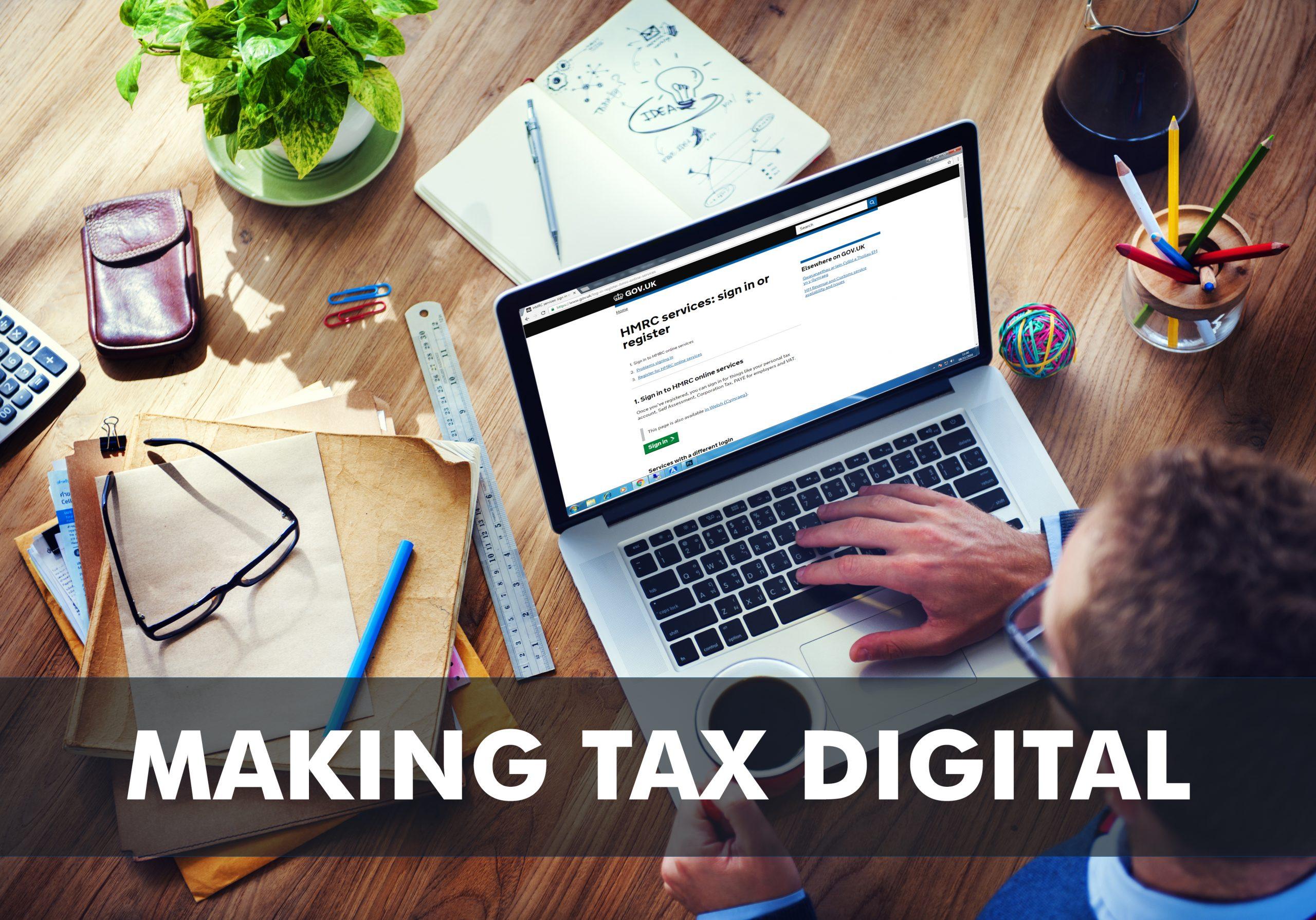
Making Tax Digital - Are You Ready For It?
Are you a Sole Trader or Landlord? This is what you need to know.
From 6th April 2026 new legislation has come in to force that changes how you need to report your income and expenses to HMRC.
If you earn more than £50,000 through a combination of self-employed and property income than you will be required to sign up to Making Tax Digital.
Currently this will only apply to Self-employed individuals or landlords. Limited companies and partnerships are as it stands not in scope for the new legislation and will continue to submit their tax returns in the usual way.
What Does This Involve?
Making tax Digital requires you to submit quarterly reports showing your income and expenses to HMRC, this is in addition to submitting your annual self assessment tax return. All submissions must be completed using a HMRC recognized software system, this can either be done personally or via your bookkeeping or accountancy provider.
The information that you will need to keep digitally is:
- Self-employment income
- Self-employment expenses
- Property income
- Property expenses
In order for these to be compatible for Making Tax Digital, you will need to ensure the information recorded includes:
- The value of the income or expense
- The date when the income or expense was incurred
- The category that the income or expense would be classified as - this will depend on your specific business, but for making tax digital for income tax it uses the same categories of income and expenses as the usual Self Assessment.
If you have multiple sources of self-employment income from differing professions for example, you would need to keep individual sets of records for each specific source of income.
All records of income and expenses need to be retained for a period of at least five years from the 31st January submission deadline for each tax year. This is the same as would be for all records for the self assessments related to the same period.
What is Still to Come?
The current thresholds that require registration for Making Tax Digital compulsory are going to reduce in stages over the next few years. Therefore although you may not be impacted by these changes currently, this could impact you in the future.
- 6th April 2026 - Self-employed and Property Income over £50,000 annually requires registration.
- 6th April 2027 - Self-employed and Property Income over £30,000 annually requires registration.
- 6th April 2028 - Self-employed and Property Income over £20,000 annually requires registration.
If you are below any of the above thresholds however, you are still able to voluntarily register for Making Tax Digital if you feel that this would be beneficial for your situation or if you believe your annual income will exceed these thresholds in future years.
Do I have an Exemption?
There are a few scenarios where you may be exempt from having to join Making Tax Digital:
- No national Insurance Number - If you do not have a national insurance number before the 5th of April of a given tax year, you will be automatically exempt from having to sign up for the current year.
- Ministers of Religion.
- Those subject to Married Couples Allowance.
- Those subject to Blind Persons Allowance.
- Lloyds underwriters.
- Enduring/Lasting Power of attorney in place - taxpayers who lack the physical or mental capacity to complete the details and have given power of attorney to someone else to act on their behalf.
- Deputyship Orders.
The above are the main groups that would be eligible to an exemption from Making Tax Digital, however for a full list and for examples of temporary exemptions visit the HMRC website for full details.
Summary
Making Tax Digital has brought about several changes that will impact a large array of individuals, however with some basic and structured record keeping, it is fairly straightforward to remain compliant and to ensure that you will meet all of HMRCs submission deadlines.