Companies House Statutory Accounts Reporting Changes
From April 2028 how you file your statutory financial statements is changing and depending on the size of your business, what needs to be submitted may also be impacted.
In line with the Economic Crime and Corporate Transparency Act 2023 (ECCT Act 2023), some changes will be implemented from April 2028 with regards to how companies’ financial information is reported and what information is required to be provided to Companies House.
These reforms have the intention to do the following:
• Improve the accuracy and reliability of the data on the companies register whilst also ensuring transparency.
• Will help to inform business decisions.
• Aligning current practices with that of other countries
• Aiming to tackle economic crime.
What is actually changing?
From April 2028 the following will come into effect:
• Small companies and micro entities will be required to file Profit and Loss Accounts with Companies House aligning them with the requirements for larger registered UK companies. However smaller companies will have the option to opt out of this information being published on the public register.
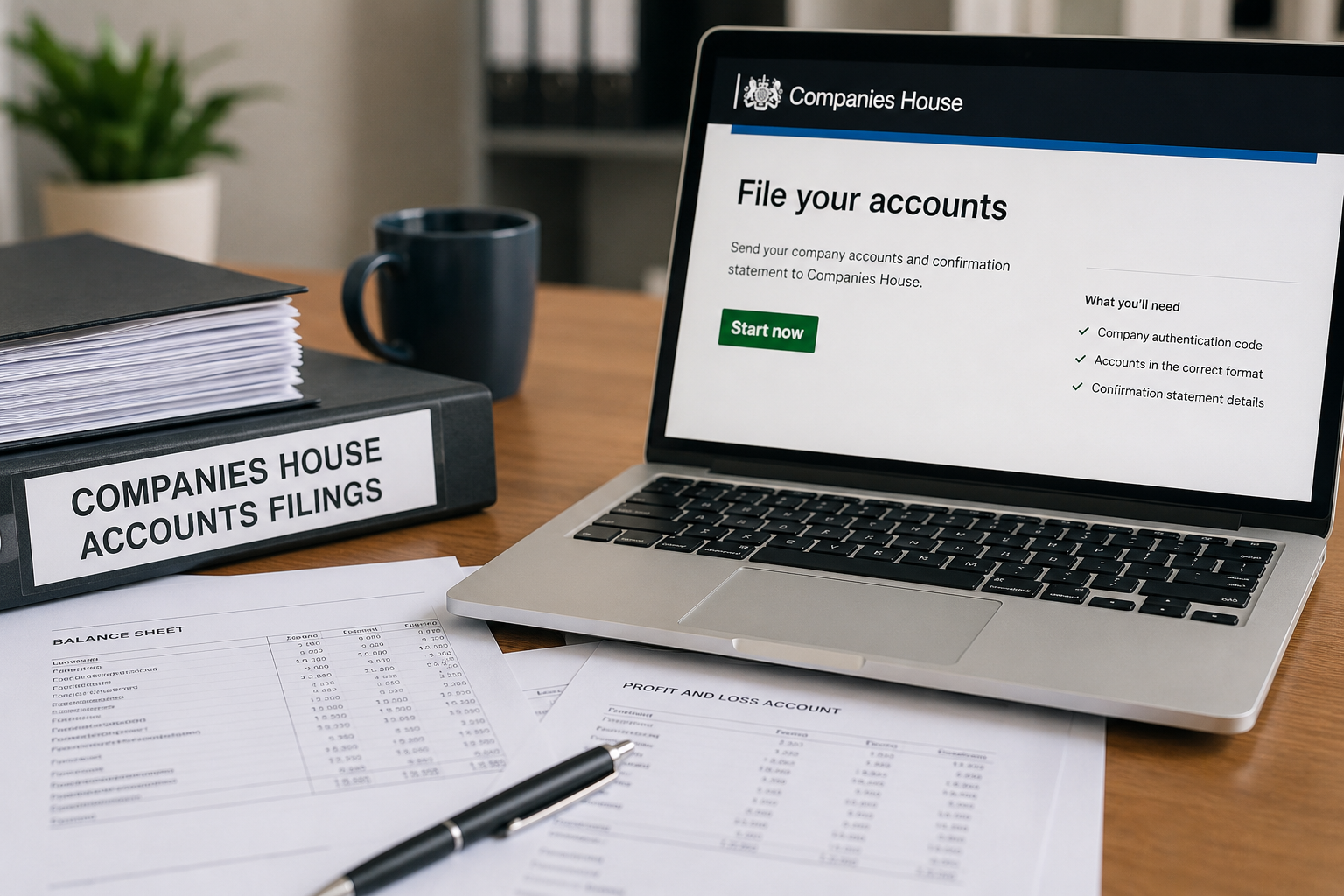
• All companies will be required to file their annual accounts using Government approved software, so that all filings are received in the same manner.
• Reducing the number of times a company can shorten its accounting reference period.
• Removing the option for companies to file abridged accounts.
• Requiring a strengthened eligibility statement for all companies claiming an audit exemption.
• Requiring component parts of the filed accounts and reports to all be filed together.
With these changes being pushed back to come into effect from April 2028 instead of April 2027 all businesses will have one full accounting period, plus 9 months to prepare for the changes.
What does this actually mean for my business?
Historically small companies and micro entities were not required to file Profit and Loss accounts with Companies house.
For companies whose accounting periods begin on or after the 6th of April 2025:
Two of the following conditions must apply for them to be considered a small company.
• An annual turnover of no more than £15 million
• A balance sheet total of no more than £7.5 million
• No more than 50 employees on average
Or two of the following conditions must apply for them to be considered a micro entity.
• An annual turnover of no more than £1 million
• A balance sheet total of no more than £500,000
• No more than 10 employees on average
If your business falls in to either of the above two brackets, you will now be required to file a Profit and Loss Account with Companies House. This means that you will need to submit formal accounts that detail all the sales and expenses that your company incurs over the financial year. For further information on the requirements of a Profit and Loss account speak to your accountant for specific details.
All companies will be required to file their annual accounts using Government approved software, so that
all filings are received in the same manner.
All UK registered companies must file their annual accounts in Inline eXtensible Reporting Language (iXBRL) format by using specifically approved commercial software. This will apply to both companies who file their own accounts or use a third-party agency to do so on their behalf. From April 2028 the web and paper-based filing options will be closed to ensure compliance.
A full list of suitable software providers is available on the GOV.UK website to allow companies to find a provider that works for them.
The Web filing service with Companies House will remain operational for non-accounts filings, such as for confirmation statements and any updates to directors’ details.
Reducing the number of times a company can shorten its accounting period.
Currently companies are allowed to shorten their accounting period, the period which they must complete a corporation tax return for, as often as they like. This could be for a variety of reasons, whether the business wants to change the timing of its year end, or if there are major changes that our happening internally that they want this to fit around. With the new rules there will be limitations as to how often you are now able to do this, although this detail is yet to be confirmed.
Removing the option for companies to file abridged accounts.
If you run a company that classifies as a “small company”, requirements listed in the section above, you can be eligible to file abridged accounts. These are a set of simplified accounts that contain less detail and allow businesses to comply with legal requirements whilst minimising the disclosure of sensitive financial information. This would include a simplified balance sheet and any necessary notes to provide context for the figures presented. From April 2028 this will no longer be an option, and companies must file full sets of accounts including the Profit and Loss accounts.
Requiring a strengthened eligibility statement for all companies claiming an audit exemption.
Under current rules “small companies”, as defined above, can claim an audit exemption meaning that they are not required to hire external auditors to audit their business.
To be able to claim this exemption companies must include a statement on their balance sheet confirming:
• Entitlement to exemption under section 477 of the Companies Act 2006
• Members have not required an audit under section 476
• Directors acknowledge responsibility for preparing accounts in accordance with the small companies’ regime.
Certain companies cannot claim audit exemptions regardless of their size, check the government website for full details of those included.
Under the new rules it will be required to provide a more detailed disclosure of the grounds for the exemption, to improve transparency and reduce the risk of inappropriate or incorrect claims.
Requiring component parts of the filed accounts and reports to all be filed together.
Currently, companies are allowed to file certain parts of their accounts separately (for example abridged accounts, or separate submissions of different reports). Under the new rules to come into effect from April 2028, this will no longer be allowed, and companies will have to submit their full accounts as one single submission. This will apply to companies of all sizes.
Hopefully this will give you a bit more of an understanding in to the impact of the new rules coming in to force from April 2028, but remember if you are unsure, speak to an accountant to get any further guidance or support with your submissions.